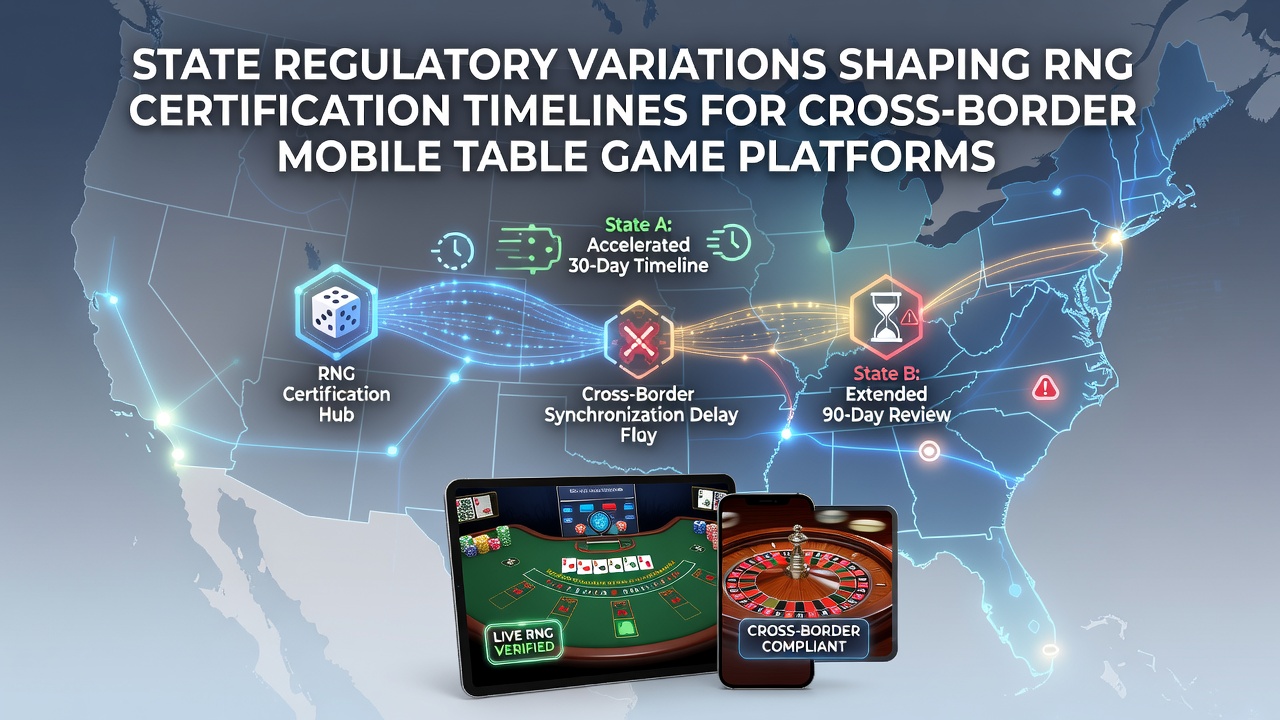
Regulatory Differences Across States Extend RNG Certification Periods for Cross-Border Mobile Table Game Operators
State regulatory frameworks create distinct certification pathways that directly affect how quickly random number generator systems receive approval for mobile table game platforms operating across multiple jurisdictions, and these variations produce measurable differences in processing durations that operators must navigate when expanding services. Data from gaming control boards shows that timelines range from several weeks in streamlined environments to multiple months in states with layered review processes, while platforms handling cross-border traffic encounter cumulative delays as each jurisdiction applies its own standards independently.
Core Elements Driving Timeline Variations
Observers note that RNG certification requires independent laboratory testing followed by state-level validation, yet the sequence and depth of these steps differ significantly between states such as Nevada, New Jersey, and Pennsylvania. Nevada Gaming Control Board procedures emphasize early integration testing with live dealer feeds, whereas other states prioritize separate audits for mobile-specific encryption layers before RNG modules advance to final review. These procedural distinctions mean a single platform may complete certification in one state while remaining pending elsewhere, forcing staggered launch schedules that stretch overall project timelines across borders.
Research indicates that documentation requirements also fluctuate, with some states mandating extensive source code reviews and others accepting summarized test reports from accredited labs. When operators submit identical RNG algorithms to multiple authorities, the lack of mutual recognition agreements extends the aggregate approval window, and September 2026 updates to certain state technical bulletins have introduced additional cryptographic validation steps that further differentiate processing speeds.
Cross-Border Platform Challenges
Platforms serving users in several states must maintain parallel certification tracks, and this structure creates coordination burdens because each regulator schedules its own review cycles without alignment mechanisms. Figures from industry reports reveal that average certification periods in 2026 span 45 days in faster jurisdictions and exceed 120 days in those requiring iterative compliance demonstrations, leading operators to sequence market entries rather than pursue simultaneous rollouts. The reality is that mobile table game features such as live baccarat and roulette demand RNG outputs that integrate with real-time streaming, so any delay in one state cascades into postponed feature updates for users in neighboring markets.
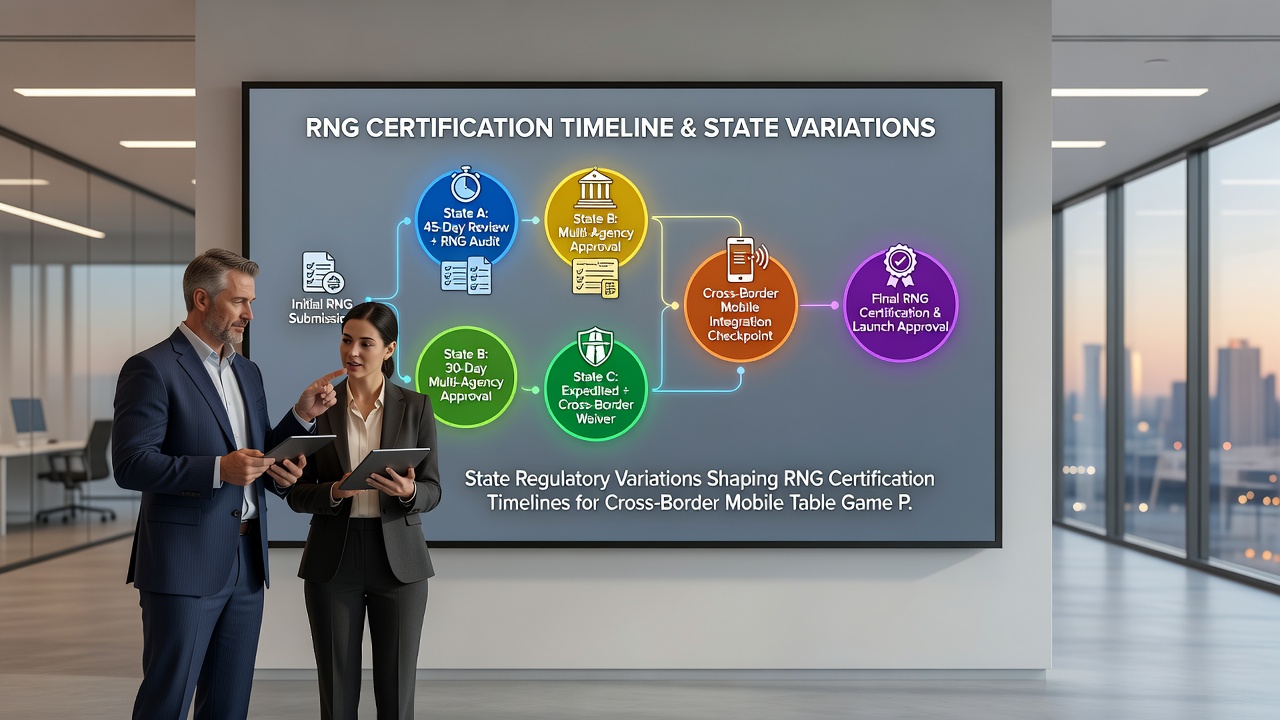
Those who manage multi-state operations often discover that hardware security module specifications vary by jurisdiction, requiring custom configurations that laboratories must retest individually. This fragmentation adds weeks to each cycle, and data shows operators allocate dedicated compliance teams to track evolving state checklists that change independently throughout the year.
Examples from Active Markets
Take one operator expanding a mobile blackjack platform from Pennsylvania into Michigan, where regulators apply distinct RNG seed generation standards that necessitate fresh laboratory submissions even though prior approval existed elsewhere. The additional validation round extended the Michigan timeline by eight weeks compared with the Pennsylvania process, illustrating how technical thresholds diverge without creating outright barriers. Similar patterns appear when platforms move between East Coast and Midwest states, and researchers have documented that cumulative certification periods for three-state operations can reach nine months when reviews run sequentially.
Industry associations tracking these patterns report that platforms using unified RNG cores still face repeated audits because states do not share test results, and this duplication persists despite calls for standardized protocols. What's interesting is how September 2026 regulatory filings from multiple boards reflect incremental adjustments to testing frequencies rather than convergence toward common frameworks, sustaining the variation that shapes deployment calendars.
Implications for Operators and Laboratories
Laboratories accredited across jurisdictions experience uneven workloads as certification requests cluster around states with shorter windows, while slower authorities accumulate backlogs during peak expansion periods. Operators respond by front-loading submissions in streamlined states and using those early approvals to demonstrate momentum when approaching more rigorous boards. Evidence suggests that clear communication of state-specific requirements at the outset reduces revision cycles, yet the absence of centralized databases for prior certifications continues to lengthen overall schedules for cross-border platforms.
Academic studies on gaming technology adoption note that these regulatory differences influence investment decisions, with companies prioritizing markets where RNG approvals align more closely with product development cycles. The ball remains in the court of state agencies to determine whether future harmonization efforts will shorten the extended timelines currently observed across the sector.
Conclusion
State regulatory variations continue to dictate distinct RNG certification timelines that mobile table game platforms must accommodate when operating across borders, producing staggered market entries and increased coordination demands. Data indicates these differences stem from unique documentation, testing sequences, and technical thresholds that lack mutual recognition, and September 2026 developments show ongoing divergence rather than alignment. Operators and laboratories adapt through sequential submissions and dedicated compliance resources, while the cumulative effect shapes the pace at which new mobile table game experiences reach users in multiple states.