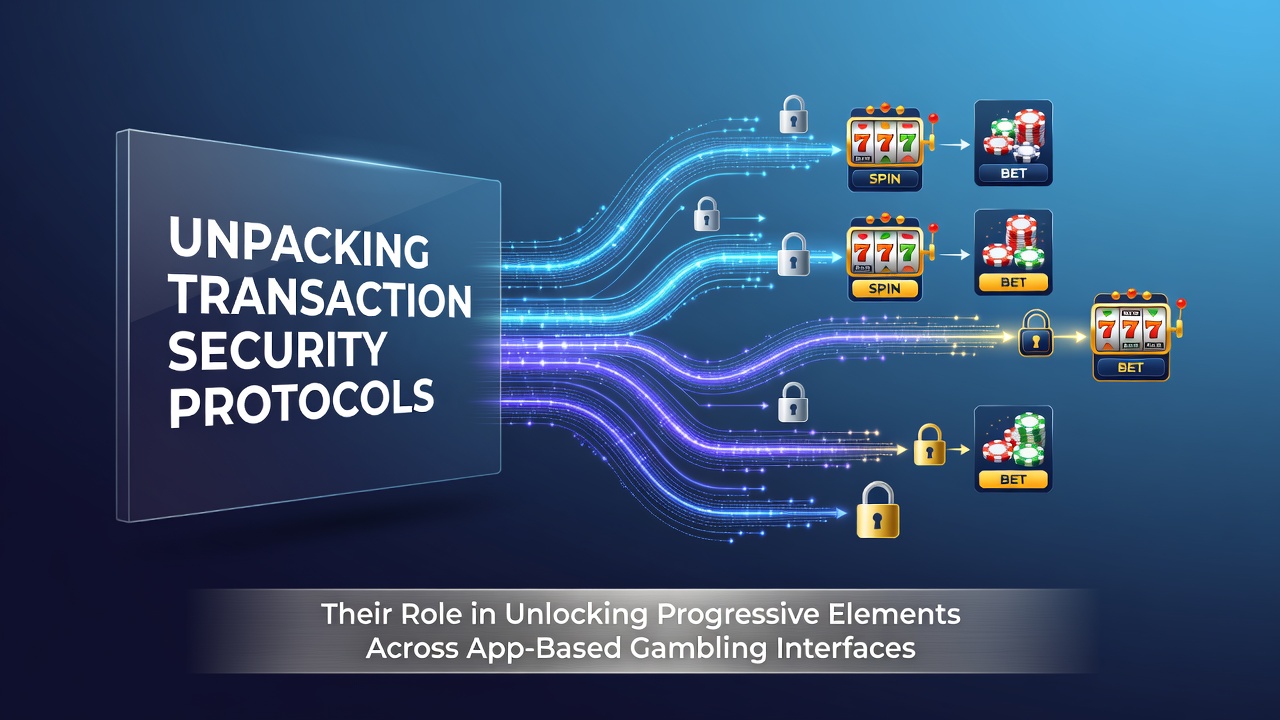
Payment Protection Mechanisms Driving Access to Cumulative Prize Pools in Handheld Gaming Platforms
Transaction security protocols form the backbone of modern app-based gambling systems where encrypted data flows enable real-time verification of wagers while simultaneously triggering access to shared prize pools that accumulate across thousands of users, and these mechanisms have grown more sophisticated by October 2026 as platforms integrate advanced authentication layers to maintain compliance with evolving standards from multiple jurisdictions.
Researchers at institutions studying digital payment systems note that protocols such as TLS 1.3 combined with tokenization replace sensitive card details with unique identifiers during each session which reduces exposure risks and allows operators to process micro-transactions that feed directly into progressive jackpot meters without interruption or delay.
Core Components of Security Frameworks in Mobile Interfaces
App developers deploy multi-factor authentication alongside biometric checks and device fingerprinting so that each bet placement receives layered verification before funds move into central pools and these steps occur within milliseconds thanks to optimized backend processes that connect payment gateways directly to game servers responsible for updating progressive values across regions.
Data from regulatory reports issued by the Nevada Gaming Control Board shows steady increases in transaction volumes handled through secure channels throughout 2026 with operators reporting that protected systems handle over 95 percent of mobile wagers without triggering fraud alerts while maintaining continuous jackpot growth visible to players on their screens.
Linkages Between Verified Transfers and Progressive Unlocks
Once a transaction clears through encrypted channels the system automatically allocates portions of each wager to progressive elements such as tiered bonus wheels or accumulating mega-jackpots and this seamless connection relies on API endpoints that communicate between payment processors and game engines without exposing raw financial data at any point during the process.
One documented implementation in Australian platforms demonstrates how PCI DSS Level 1 compliance combined with real-time risk scoring permits instant unlocks of progressive features immediately after confirmation which encourages higher engagement rates as players observe their contributions reflected in live meter displays updated every few seconds.

Regional Variations and Technical Adaptations Observed in 2026
European operators under frameworks overseen by the Malta Gaming Authority have adopted quantum-resistant encryption algorithms in select applications to future-proof progressive systems against emerging computational threats while North American markets emphasize integration with state-specific banking rules that still permit cross-border pooling when security certifications align across borders.
Studies conducted by academic teams at the University of Nevada Reno highlight that platforms using end-to-end encryption experience fewer interruptions in progressive meter synchronization compared to legacy setups and these findings align with broader industry shifts toward standardized security modules that support both fiat and cryptocurrency transfers feeding the same prize structures.
Operational Impacts on User Sessions and Feature Accessibility
Players encounter progressive elements only after their initial deposits or bets pass through validated security checkpoints which prevents unauthorized access attempts from diluting pool integrity and this gating mechanism ensures that cumulative rewards remain distributed fairly among verified participants across global user bases connected through the same application networks.
Industry associations including the European Gaming and Betting Association have published guidelines emphasizing the necessity of continuous monitoring protocols that scan for anomalies during high-volume periods such as major sporting events in October 2026 when transaction spikes coincide with heightened progressive activity across multiple app titles simultaneously.
Conclusion
Security protocols continue to serve as the critical bridge between routine financial operations and the activation of shared reward systems in app-based environments where every verified transaction contributes to larger prize opportunities while upholding data protection requirements across diverse regulatory landscapes and these integrated approaches support sustained growth in mobile gambling participation without compromising system reliability or player trust.