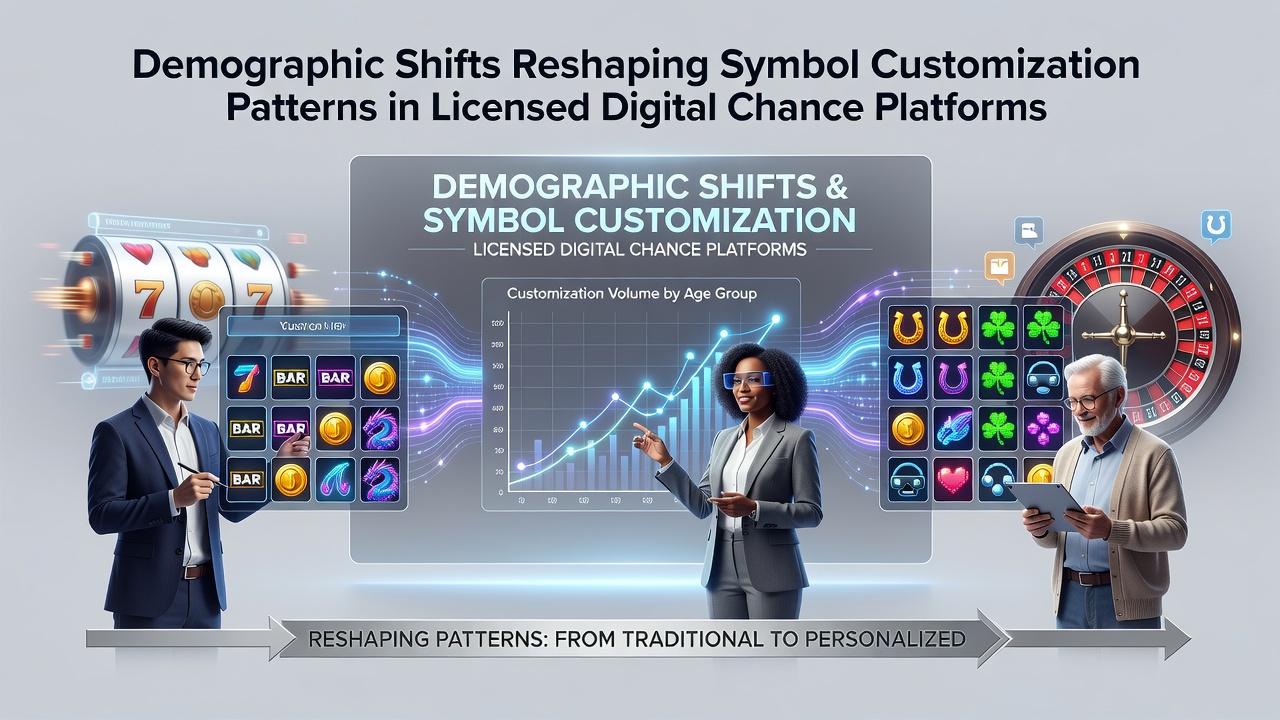
Demographic Shifts Reshaping Symbol Customization Patterns in Licensed Digital Chance Platforms
Data from multiple regulatory bodies and industry reports show that population changes across age groups, gender distributions, and cultural backgrounds have begun altering how licensed digital chance platforms adjust their visual symbols in games such as slots and interactive reels, and these adjustments appear most visible in mobile applications where user interfaces allow greater personalization options.
Age-Based Variations Drive Symbol Theme Adjustments
Research conducted by academic institutions tracking online gambling participation indicates that younger adult cohorts, particularly those aged 21 to 35, have increased their engagement with platforms offering symbols drawn from digital entertainment franchises and contemporary cultural references, while older participant groups continue to favor traditional fruit icons and classic reel elements that dominated earlier decades of machine-based gaming, and operators respond by segmenting their libraries accordingly.
Statistics released in September 2026 from North American gaming oversight agencies reveal that platforms licensed in multiple jurisdictions now allocate larger portions of their development budgets toward user-generated symbol options, enabling players to swap standard imagery for customized sets that reflect generational preferences without altering core game mathematics or payout structures.
Cultural and Regional Influences on Visual Elements
Observers tracking licensed operations note that expanding player bases in diverse geographic markets have prompted operators to incorporate symbols representing broader cultural motifs, such as regional festivals or heritage patterns, and this trend aligns with licensing requirements in areas where regulatory frameworks emphasize inclusive design practices for digital entertainment products.
Industry associations based in Canada and Australia have documented how these modifications occur through iterative updates rather than wholesale redesigns, allowing platforms to maintain compliance while responding to feedback collected through player analytics tools that monitor selection rates for different icon sets.
Gender Distribution Patterns and Customization Features
Studies from European research centers focused on digital entertainment consumption show shifts in gender participation ratios within licensed chance platforms, with increased female user numbers correlating to higher demand for symbols featuring narrative-driven themes and collaborative elements rather than competitive or high-stakes imagery, and developers have incorporated these observations into modular design systems that support rapid symbol swaps.
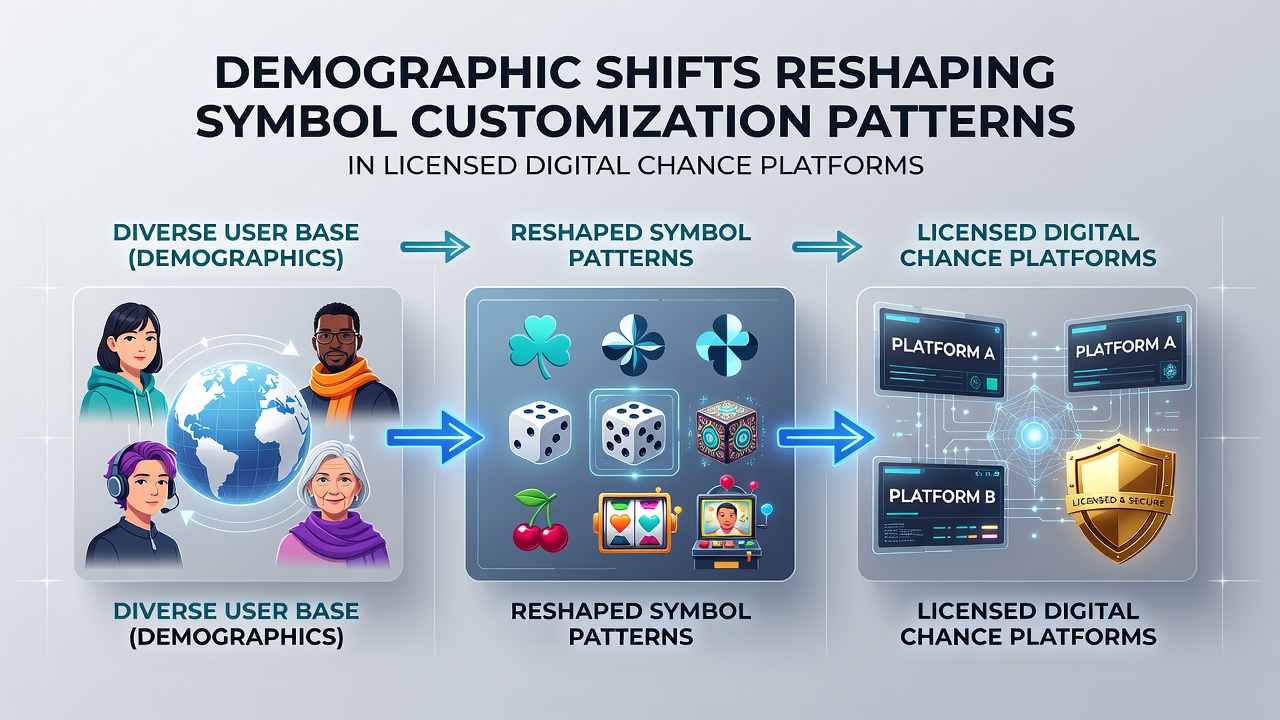
Platform data aggregated across several U.S. states demonstrates that when customization tools become available, selection patterns differ measurably between demographic segments, prompting licensed operators to refine recommendation algorithms that suggest symbol packs based on aggregated user profiles while preserving individual privacy standards required under data protection regulations.
Technological Integration Supporting Demographic Responsiveness
Developers working within licensed environments have integrated backend systems that track symbol usage across sessions, and these systems feed into design cycles where new icon releases target specific demographic clusters identified through anonymized participation metrics, a process that has accelerated since mobile device penetration reached saturation levels in key markets.
Reports from trade organizations covering the Asia-Pacific region highlight instances where platforms introduced hybrid symbol sets blending traditional reel aesthetics with modern visual effects, resulting in measurable retention improvements among mixed-age player groups without requiring changes to underlying random number generator certifications.
Regulatory Context Shaping Customization Boundaries
Licensing authorities in various jurisdictions maintain oversight on symbol content to ensure adherence to standards around responsible presentation, and operators must balance demographic-driven requests for novelty against these constraints, leading to standardized approval pathways that evaluate new icon libraries for compliance before deployment.
One study from a Canadian university research group examined how these regulatory parameters interact with market demands, finding that platforms achieving the most flexible customization ranges often operate under frameworks allowing modular approvals for visual assets separate from core game logic reviews.
Conclusion
Demographic shifts continue to influence symbol customization patterns across licensed digital chance platforms as operators adapt their offerings to align with evolving player compositions, and data collection methods combined with regulatory compliance mechanisms support these adaptations while maintaining the integrity of licensed operations in an expanding global market.