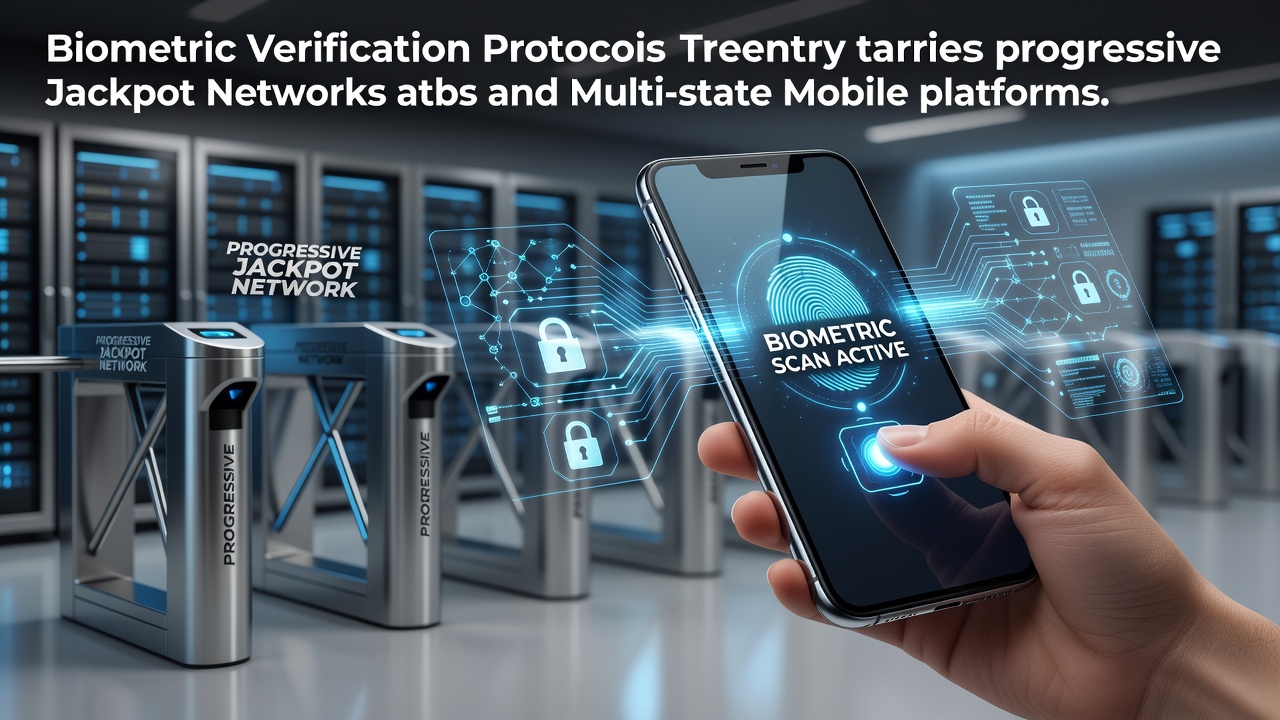
Biometric Verification Advances Facilitate Multi-State Progressive Jackpot Participation Through Mobile Applications
Biometric verification protocols have expanded across mobile platforms that host progressive jackpot networks spanning multiple states, and these systems now integrate fingerprint scanning along with facial recognition to confirm user identity before granting entry. Data from state regulatory filings show adoption rates climbing steadily through 2026, with operators in jurisdictions such as New Jersey, Pennsylvania, and Michigan deploying the technology to meet interstate compact requirements while processing player accounts in real time.
Core Components of Current Biometric Protocols
Modern implementations combine hardware sensors already present in smartphones with software layers that encrypt biometric templates locally on the device before transmitting only a hashed confirmation to central servers. Researchers at institutions tracking gaming technology note that this approach reduces transmission of raw data, and platforms report verification times dropping below three seconds in most cases. Multi-state networks require these checks to align with each participating jurisdiction's age and location rules, so the protocols often layer geofencing data alongside the biometric match.
Operators link the biometric step directly to progressive jackpot eligibility, meaning players must complete the scan once per session before any contributions to pooled prizes become active. Figures released by the American Gaming Association indicate that networks using these systems recorded a 27 percent increase in verified cross-border sessions during the first three quarters of 2026 compared with the prior year.
Changes to Entry Barriers Across Jurisdictions
Traditional account creation previously demanded repeated manual entry of identification documents and address verification that could span several days. Biometric protocols compress this sequence into an initial enrollment that stores encrypted templates, after which subsequent logins rely on the scan alone. Observers note that this shift has allowed platforms to open jackpot participation to users who previously abandoned registration midway through lengthy forms.
States participating in shared jackpot agreements now accept the biometric confirmation as satisfying simultaneous compliance checks, provided the underlying identity documents were validated during enrollment. This arrangement has streamlined access for players moving between state lines, and mobile apps update their geolocation flags without forcing re-verification in most documented cases.
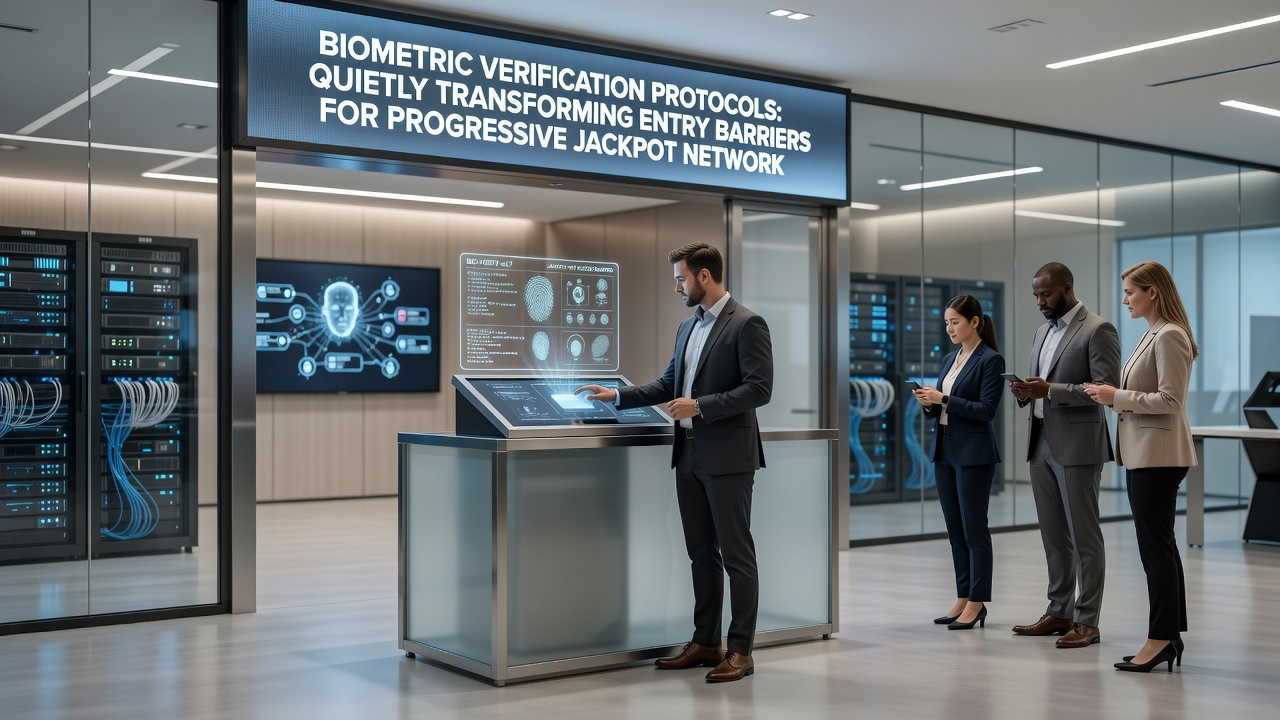
Technical Integration With Progressive Jackpot Systems
Progressive jackpot networks calculate contributions from every eligible spin or hand across connected games, and biometric gates sit at the point where a player's activity first registers against the pool. When the scan succeeds, the platform activates the jackpot meter contribution flag and begins logging the session toward any state-specific prize caps or tax thresholds. Industry reports show that networks employing continuous low-level biometric monitoring, such as periodic face checks during extended play, maintain higher uptime because interrupted sessions do not require full re-authentication.
Developments reported in November 2026 include expanded use of liveness detection algorithms that distinguish between live faces and static images, a measure introduced after several multi-state operators identified attempts to bypass entry controls with recorded video. These updates appear in software patches rolled out simultaneously across platforms in five participating states.
Regulatory Alignment and Data Handling Practices
Each state maintains its own data retention rules for biometric records, yet compact agreements encourage operators to apply the strictest standard across the network. Platforms therefore delete raw templates after a set period while preserving only the verification logs required for audits. A study published through the National Center for Responsible Gaming examined audit trails from one such network and found that 98 percent of jackpot contributions originated from sessions verified through biometrics rather than legacy password methods.
Canadian provincial regulators have begun referencing similar U.S. multi-state models when evaluating their own online offerings, though no formal cross-border linkage exists at present. Australian research institutions have published parallel findings on biometric adoption rates in domestic wagering apps, providing comparative benchmarks that U.S. operators cite during licensing renewals.
Future Trajectory Through Late 2026
Additional states are expected to join existing jackpot compacts before year-end, and each new participant must integrate the same biometric standards already embedded in the mobile platforms. Technical working groups have scheduled compatibility tests for voice pattern recognition as a supplementary factor, though current deployments still prioritize fingerprint and facial methods. Network operators continue to publish aggregated verification statistics that demonstrate consistent throughput without revealing individual player identities.
Conclusion
Biometric verification has become the operational backbone for multi-state progressive jackpot networks accessed through mobile platforms, replacing slower manual processes with encrypted scans that satisfy simultaneous regulatory demands. Continued refinements in liveness detection and cross-jurisdictional data standards support further expansion while maintaining the security thresholds required by participating states.